
Singapore Has Strict Rules on Cats — Here’s What Most Cat Owners Don’t Know
Singapore Has Strict Rules on Cats — Here’s What Most Cat Owners Don’t Know
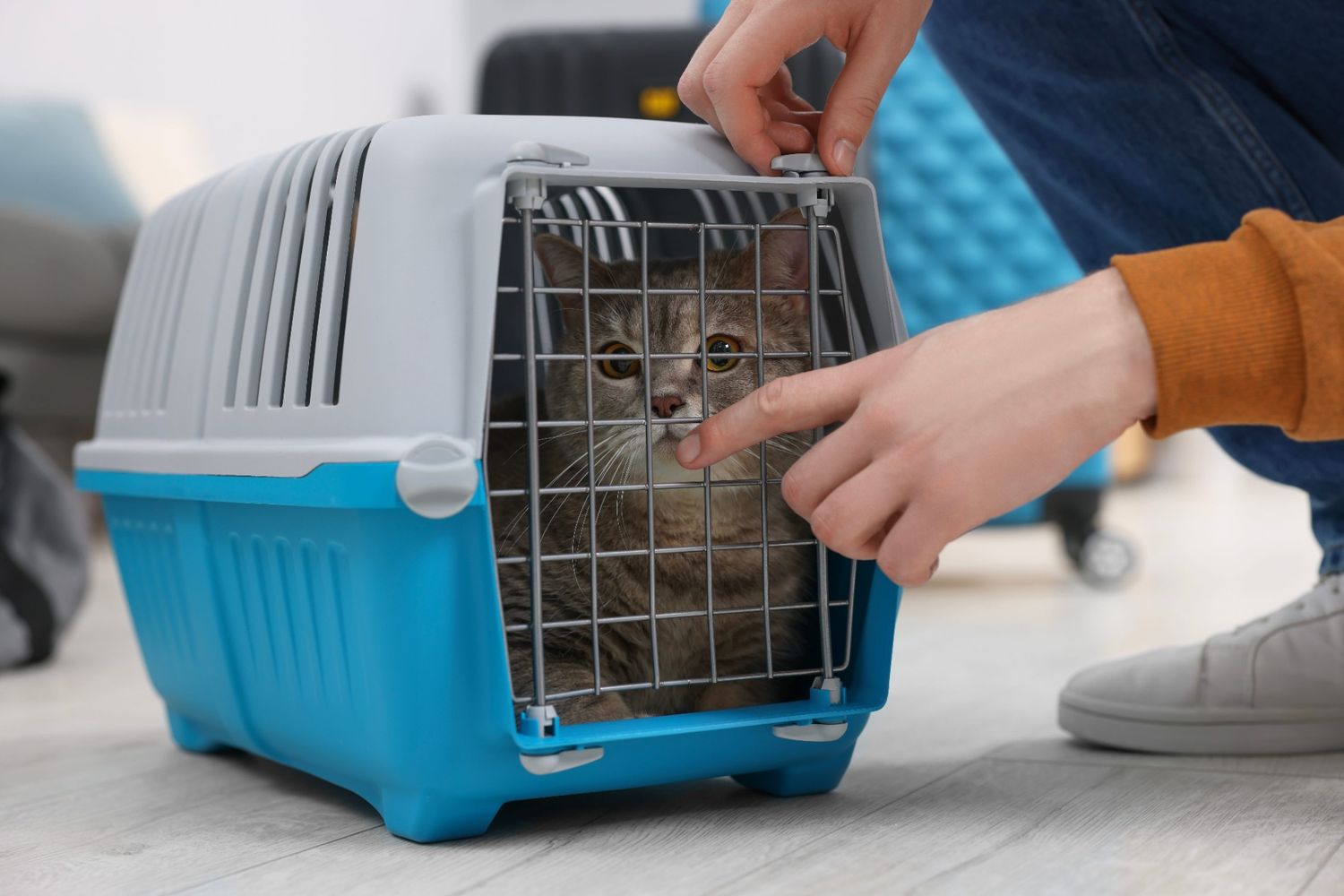
When planning an international relocation, most generic internet guides lump cats and dogs into the exact same category. They assume that if you understand the baseline rules for bringing a dog across borders, you are perfectly equipped to relocate a cat. But if you are moving your household to Singapore, that assumption can derail your timeline completely, especially when importing pets into Singapore. Singapore’s Animal and Veterinary Service (AVS) enforces a highly specific framework for felines. Some of these rules are structural, others are medical, and several relate directly to your local housing options.
Discovering these requirements only after your containers are packed can make pet relocation in Singapore far more stressful for both you and your feline family member. This guide breaks down the four specific areas of Singapore’s cat regulations that genuinely surprise incoming owners and how to plan around them for a seamless transition.
Surprise #1 — Some Cat Breeds Are Completely Banned
Most owners are well aware that certain aggressive or large dog breeds face strict border prohibitions globally. What catches feline owners off guard is that Singapore enforces an equally rigid ban on specific cat breeds.
AVS strictly prohibits the import of wild hybrid cat breeds. Cats from wild hybrid bloodlines within the first four generations are legally barred from entry. This restriction applies directly to:
- Bengal cats
- Savannah cats
- Chausie cats
- Any multi-generational domestic-to-wild cat crosses
This restriction is not a commentary on an individual animal’s temperament. It is a strict biosecurity baseline regarding lineage.
Action Step: Before you book any clinical veterinary appointments or file application forms, review your cat’s pedigree and registration papers. If your pet is a traditional domestic breed, such as a British Shorthair, Ragdoll, or Domestic Shorthair, you face no breed barriers. However, if you own a registered hybrid, you must flag this directly with your relocation agent immediately. Note: fifth generation and above Bengal and Savannah crosses may be importable with documentary proof confirming lineage — verify with AVS before advising clients.
Surprise #2 — The Complex Reality of Local Cat Housing
For 34 years, Singapore’s Housing & Development Board (HDB) flats, which house roughly 80% of the local population, enforced a strict ban on pet cats. While this policy was recently modernised under the Cat Management Framework, you cannot simply move into any apartment and unpack your litter box.
If your housing search leads you to an HDB flat, you are legally restricted to a maximum of two cats per household. If you are leasing a private condominium or a landed property, the baseline AVS limit shifts to a maximum of three pets total (a combination of cats and dogs). However, private property rules are heavily governed by individual Management Corporations (MCST) and private landlords.
Do not sign a residential lease based on a generic “pets allowed” verbal confirmation. Many luxury condominiums in Singapore enforce internal bylaws that restrict pet ownership based on size, quantity, or specific species. Securing an explicit, cat-permissive clause in your tenancy agreement must occur before your pet boards their flight.
Surprise #3 — The Mandatory Cat Licensing Transition
A massive piece of outdated information circulating on expat forums is that “cats do not require official government licences in Singapore.” While that was true historically, it is no longer the case.
Under active local laws, all pet cats in Singapore must be officially microchipped and licensed via the AVS Pet Animal Licensing System (PALS).
When importing pets into Singapore, you must execute a strict, linear administrative sequence:
- ISO Microchip First: Your cat must be implanted with a 15-digit ISO 11784/11785 standard microchip. The chip must be verified before the rabies vaccine is administered.
- Vaccination Updates: Up-to-date rabies and core feline vaccinations must be documented alongside the microchip number.
- Government Endorsement: Your cat’s physical veterinary health certificate cannot simply be signed by your local family vet. It must be formally sent to, stamped, and endorsed by your origin country’s central government agricultural department (such as the USDA in America or DEFRA in the UK). A private vet clinic signature alone will trigger a border rejection.
Surprise #4 — The Quarantine Cattery Demands Early Booking
Depending on where you are moving from, your feline may face a mandatory stay at the Animal Quarantine Centre (AQC). Animals arriving from Schedule II countries may face a minimum 10-day home quarantine, while Schedule III origins require a full 30-day stay.
The facility provides dedicated, air-conditioned cattery units, which are vital for helping an indoor cat acclimate to Singapore’s intense tropical climate.
However, these climate-controlled cattery spaces are highly limited and operate on a strict reservation framework. Space shortages are common during peak expat moving seasons (June through August and December to January).
Your pet relocation agent in Singapore should initiate the cattery booking as early as possible.
How Cats Experience Travel Differently From Dogs
Dogs are generally driven by social attachment; if their human family is present, they can adapt to highly fluid environments. Cats, conversely, are entirely anchored by geography, routine, and territorial scent markers. Disrupting these elements causes high baseline stress.
To preserve your cat’s psychological welfare throughout the journey, implement these three tactical shifts:
- Extended Crate Introduction: Do not pull the travel carrier out of storage the night before the flight. Place the open IATA-compliant container in your living room four to six weeks before moving. Feed your cat their favourite treats inside it daily, so they associate the space with security rather than vet visits.
- The Scent Blanket: Place an unwashed t-shirt or towel that smells heavily of you inside the crate on travel day. In the sensory overload of an aircraft cargo hold, your familiar scent profile acts as an emotional anchor.
- Strict No-Sedation Policy: A common misconception is that drugging a nervous cat makes flight easier. In reality, veterinary sedatives drastically impair a cat’s natural ability to regulate their body temperature and balance their blood pressure at high altitudes, increasing respiratory risks. Airlines will rightly refuse to board an obviously sedated animal.
Conclusion
Successfully navigating a feline move to Singapore requires moving past generic checklists. You must account for strict hybrid breed prohibitions, specific high-rise housing limits, mandatory government licensing registration, and fast-moving quarantine cattery schedules.
When you approach the move with a clear understanding of these cat-specific rules, the entire journey becomes incredibly manageable.
Many owners look into managing this process independently to control their overall relocation costs. However, missing a government vet endorsement or failing to book a cattery slot in time can cause heartbreaking logistical delays. Partnering with a dedicated specialist ensures every administrative detail is covered, leaving you free to focus entirely on helping your furkid settle happily into their new tropical home.
Frequently Asked Questions
Bringing your cat to Singapore? Our team deeply understands the specific feline regulations and emotional nuances that generic import guides skip over. Reach out to our team today to map out a clear, step-by-step import plan tailored specifically to your cat.
Request a quotation for our premium cat import services