
Exporting Your Pet From Singapore: The Complete Step-by-Step Guide (2026)
Exporting Your Pet From Singapore: The Complete Step-by-Step Guide (2026)
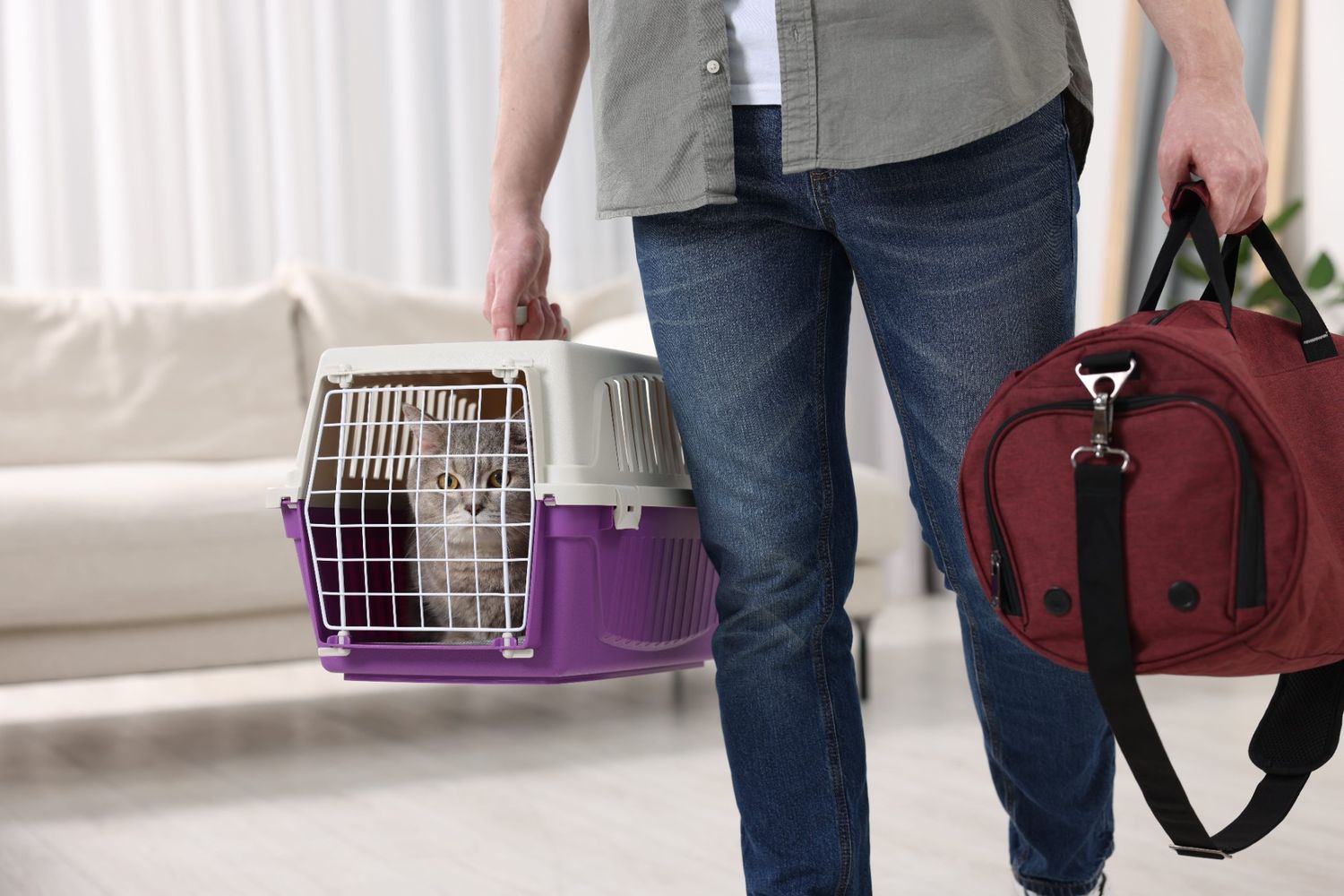
Most international relocation guides focus heavily on how to bring animals into Singapore. They cover the strict entry rules, quarantine spaces, and complex import documentation. But if your time in the Little Red Dot is coming to an end, you face the reverse challenge: navigating the outbound journey for your four-legged family members. Fortunately, exporting pets from Singapore comes with a massive, distinct logistical advantage. Singapore has been strictly rabies-free since 1953, earning it a coveted Schedule I status with global animal health organisations.
Because the international community recognises Singapore’s pristine biosecurity track record, major destination countries apply significantly fewer restrictions, shorter waiting periods, and streamlined quarantine requirements to departing pets.
However, “fewer restrictions” does not mean you can coast through the paperwork. A successful relocation hinges on executing a precise timeline. This comprehensive guide maps out the key stages of a successful pet export from Singapore to ensure your furkid experiences a safe, stress-free transition.
Step 1 — Know Your Destination Country’s Requirements First
The most common operational mistake pet owners make is looking up Singapore’s export laws before checking their target country’s entry rules. Singapore’s export guidelines are simple; it is your destination’s biosecurity laws that will entirely dictate your calendar.
High-requirement destinations
If you are moving to highly protective island nations, your planning must begin at least six to seven months before your flight.
- Australia & New Zealand: As Singapore is recognised as a rabies-free country, pets travelling from Singapore to Australia are not required to undergo a Rabies Neutralising Antibody Titre Test (RNATT). However, the Australian Department of Agriculture, Fisheries and Forestry (DAFF) requires your pet’s microchip to be verified by an Official Government Veterinarian (e.g. AVS in Singapore) at least 180 days prior to your pet’s scheduled departure date. Failure to meet this 180-day requirement will result in your pet being ineligible to travel on the planned date and may lead to delays, additional costs, or the need to restart the import timeline.
- The United Kingdom: The UK requires highly specific Great Britain Health Certificates that mirror the functionalities of a European pet passport. Crucially, your official treatments, such as tapeworm treatments for dogs, must be administered and stamped by a vet within a razor-thin window of 24 to 120 hours right before the aircraft touches down in the UK.
Simpler destinations
If you are moving closer to home or to countries with less conservative biosecurity walls, your timeline shortens considerably.
- Malaysia: Thanks to Singapore’s Schedule I ranking, pets moving across the Causeway generally bypass mandatory quarantine completely, provided all specific veterinary declarations are perfectly aligned.
- Other ASEAN Countries: Requirements fluctuate heavily between regional neighbours. Some require straightforward import permits, while others mandate specific quarantine windows. Your pet transport service agent or the local government portal can verify the exact real-time rules.
Step 2 — Microchip & Vaccinations
Medical compliance is a chronological puzzle. If you assemble the pieces in the wrong order, the entire picture breaks, and you will find yourself forced to restart the process from scratch.
The Immutable Sequence: Microchips First
Your pet must be implanted with an ISO-compatible (15-digit, 11784/11785 standard) microchip. This number forms your pet’s legal identity code and must appear on every single piece of medical paperwork.
The Most Common DIY Mistake:Administering booster vaccinations before the microchip is implanted or officially read. Biosecurity border officers will immediately invalidate those vaccine records because there is no official proof that the vaccine was given to that specific microchipped animal. Always scan and log the chip first; vaccinate second.
Core Medical Requirements
- Rabies Vaccination: Even though rabies does not exist natively in Singapore, almost all importing nations require a current, valid rabies vaccine administered after microchipping.
- Core Companion Vaccines: Dogs must show up-to-date protection against Canine Distemper, Parvovirus, and Infectious Canine Hepatitis. Cats require active coverage against Feline Calicivirus, Herpesvirus-1, and Feline Panleukopenia.
Step 3 — Apply for the AVS Export Permit
Once the veterinary records are locked in, you must obtain permission from the Singapore government to legally clear your pet through outbound customs. This step is managed digitally through the National Parks Board (NParks) / AVS GoBusiness portal.
The Licensing Baseline
Before you can even initiate an export application, check your current domestic paperwork. Your dog or cat’s active Singapore pet licence must be completely valid and registered to your current address through your exact departure date. If it is set to expire a week before your flight, you must renew it locally first.
Application Timeline
You should submit your digital AVS Export Permit application at least 30 days before departure.
Once approved, this permit functions as your official border clearance document. It carries a strict, limited validity window (typically 90 days from the date of issue), meaning it must match your exact flight itinerary. If your flight is rescheduled or delayed by the airline, your export permit may require a formal amendment or re-application.
Step 4 — Book Your Crate and Arrange the Flight
The final structural pillar focuses on physical safety and airline compliance. This is where psychological preparation intersects with mechanical logistics.
Sizing an IATA-Compliant Crate
Your pet’s travel container must meet the rigorous standards laid out in the IATA Live Animals Regulations. A container isn’t compliant just because a retail store label says it is; it must match your pet’s physical proportions.
Your animal must be able to stand completely erect without their ears touching the roof, turn around completely inside the container without restriction, and lie down naturally in a comfortable position.
Tip: Buy your crate at least 4 weeks early. Keep it in your living room with the door open, placing daily meals and familiar blankets inside. This transforms the travel crate from a terrifying foreign object into a safe, familiar den long before they arrive at Changi Airport cargo terminals.
Navigating Flight Routing Options From Singapore
Changi Airport offers three primary methods for moving live animals internationally:
| Flight Option | Best For | Operational Reality ✈️ |
|---|---|---|
| In-Cabin (Pet-in-Cabin) |
Toy breeds and small cats (typically under 7kg, including the carrier). | Limited to short-haul routes and specific airlines. Your pet remains beneath the seat in front of you. |
| Excess Baggage (AVIH) |
Medium to large breeds traveling on the exact same flight as their owners. | The pet travels inside a temperature-controlled, pressurized section of the aircraft hold. You check them in at the passenger terminal. |
| Manifest Cargo | Large breeds, complex international layovers, or unaccompanied pets. | The pet flies under their own unique Air Waybill. This is the most secure, deeply regulated transport method required by high-biosecurity destinations like Australia and the UK. |
Step 5 — Health Checks
Official Export Health Certificate: Within 5 to 7 days of your scheduled departure date, you must take your pet to a licensed Singapore veterinarian for a comprehensive clinical examination. The vet must certify that your animal is completely free from infectious diseases and structurally fit to fly. This document is then physically/digitally submitted (depending on the importing country) to Singapore’s Animal and Veterinary Service (AVS) for formal government endorsement.
Conclusion
Exporting a companion animal from Singapore involves a distinct 5-step sequence: analysing the destination rules, aligning medical timelines, securing your AVS permits, and configuring compliant flight crates. Because Singapore is globally recognised as rabies-free, you start the process with a massive advantage, but the key to preserving that advantage is planning early.
Many families look into managing this entire process independently to stay close to their budget. However, navigating the overlapping deadlines of airlines, local vets, and foreign border agencies frequently leads to administrative burnout.
When you balance the technical complexities against your family’s emotional peace of mind, partnering with a pet export specialist from Singapore is an investment that safeguards your pet’s physical welfare and ensures your family steps onto the plane together.
Frequently Asked Questions
Exporting your furkid from Singapore? Our team handles every critical step, from drafting your medical calendar and securing AVS permits to booking complex flight routing and foreign customs documentation. Get in touch with us today to outline a personalized, stress-free export plan for your family.
Request a quotation for our Singapore pet export services